

2005
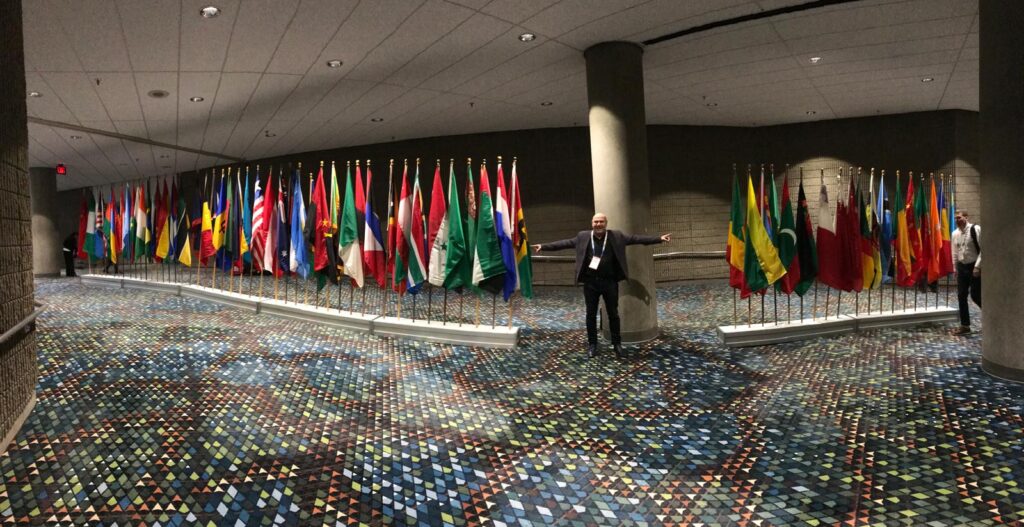
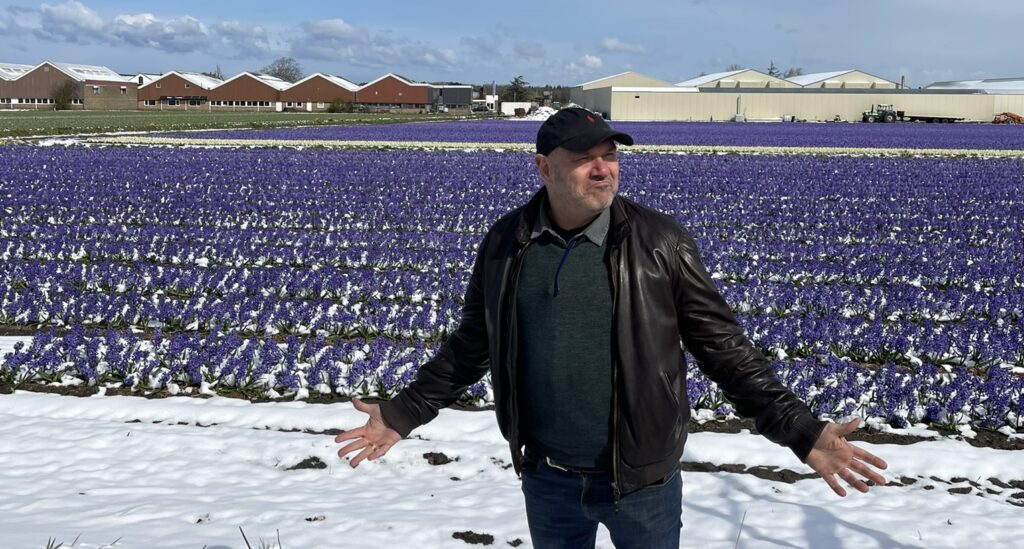
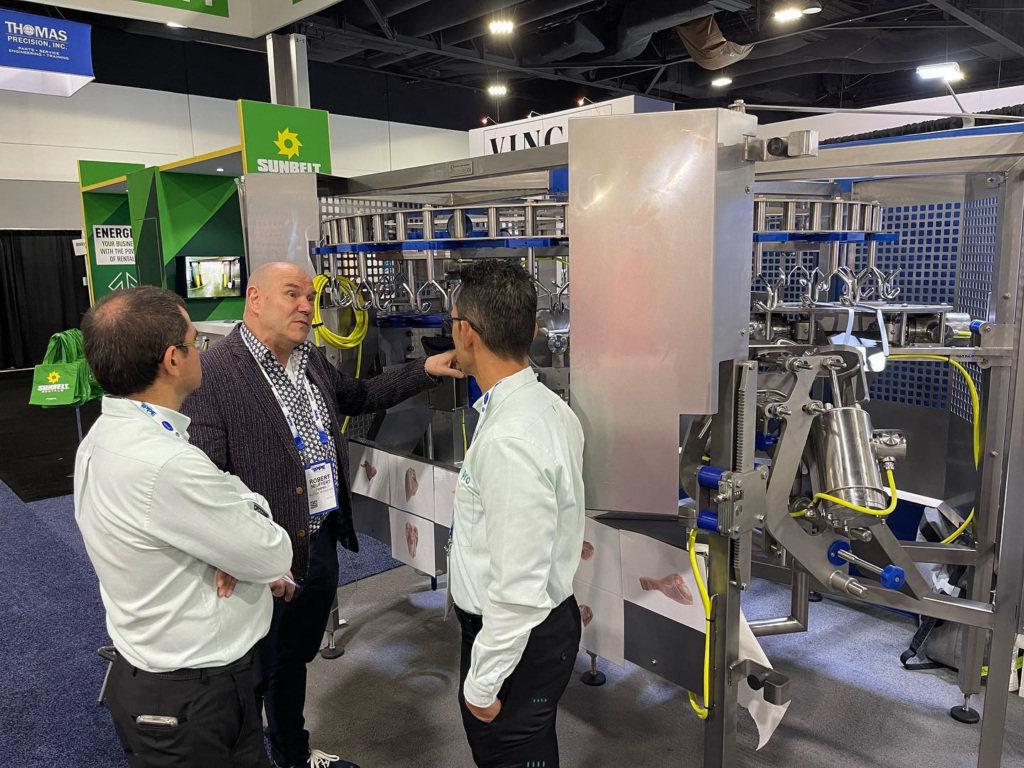
Founder Robert began his journey with USE Poultry Tech, a company specializing in the trade of second-hand poultry processing machines (fun fact: USE stands for United States of Europe). After years of working with refurbished equipment, he noticed the same recurring problems: machines consumed spare parts, were overly complex to clean properly and to understand, caused unnecessary downtime, and required costly engineers just to get them up and running.
Robert decided it was time for change. He envisioned a new generation of flexible machines—easy to understand, quick to install, designed to minimize downtime, and built to grow alongside each customer’s business. This vision became the foundation of Dutch Poultry Tech.
2015
So Robert decided to change that. He envisioned a line of new, modular machines, designed to connect perfectly, reduce downtime, and grow together with each customer’s business. That idea became the foundation of Dutch Poultry Tech.
2016
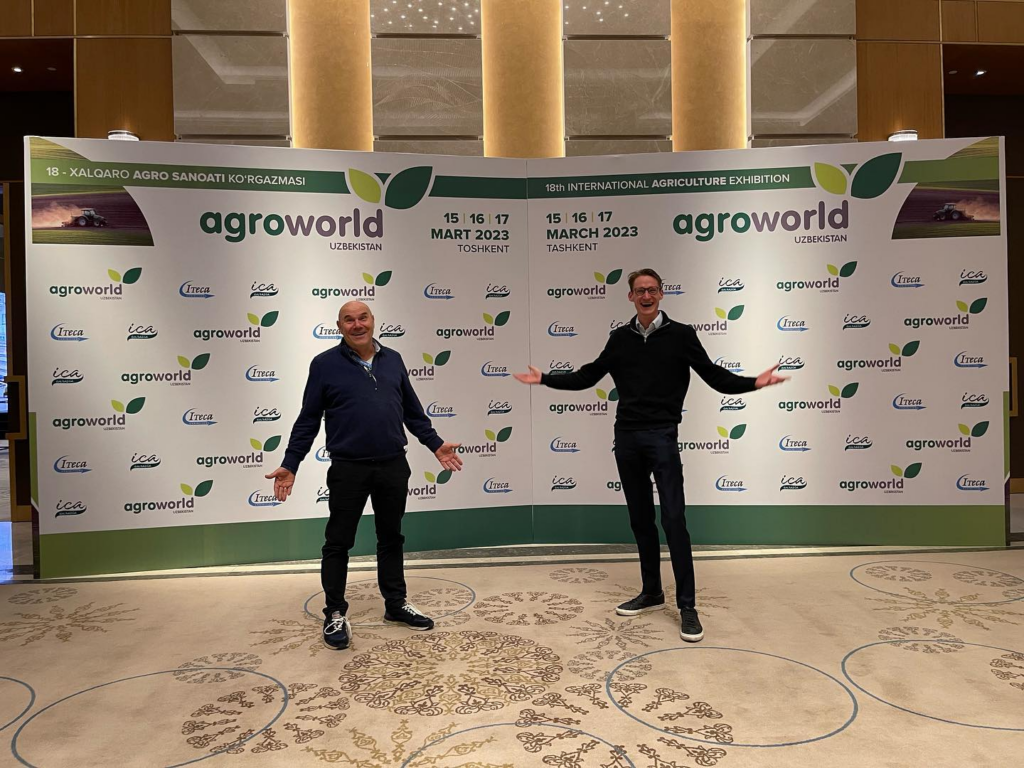
When Rutger joined the team and became Robert’s right hand, everything fell into place. At Dutch Poultry Tech, innovation and constant renewal are vital. Young, fresh minds drive progress, and Rutger proved to be the missing piece the company needed.
2026
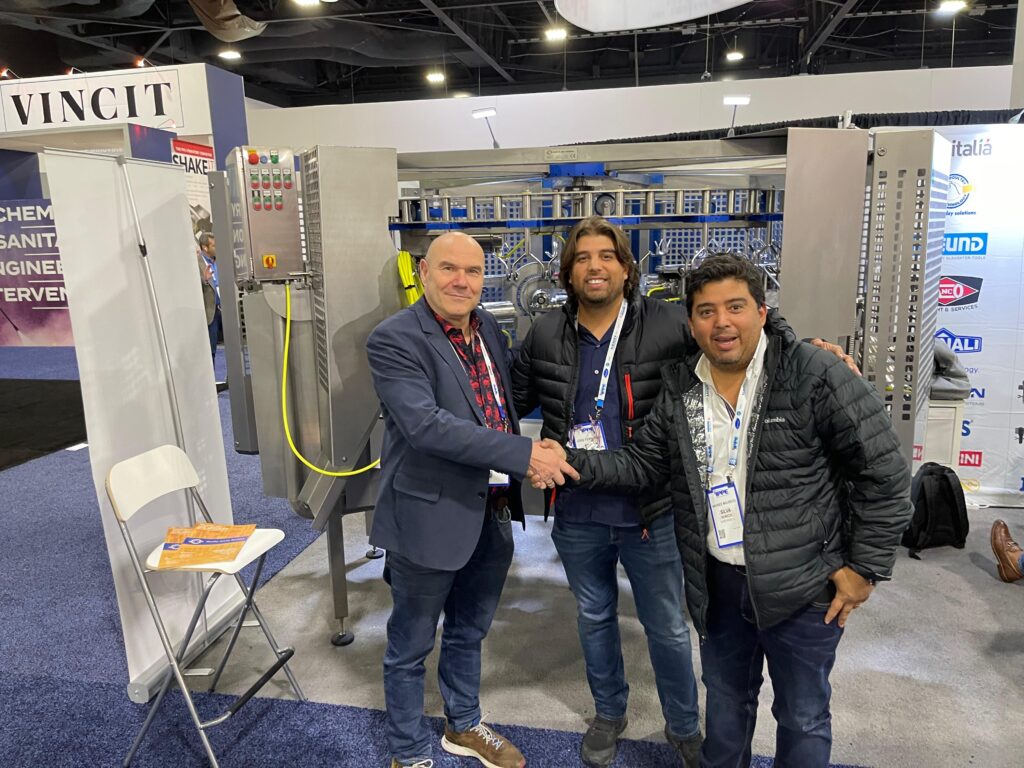
Over the past 10 years, the company has built complete processing lines and stand-alone machines for customers all over the world, from small local slaughterhouses to large industrial plants. Each installation proves that poultry processing can be simple, scalable and reliable.
